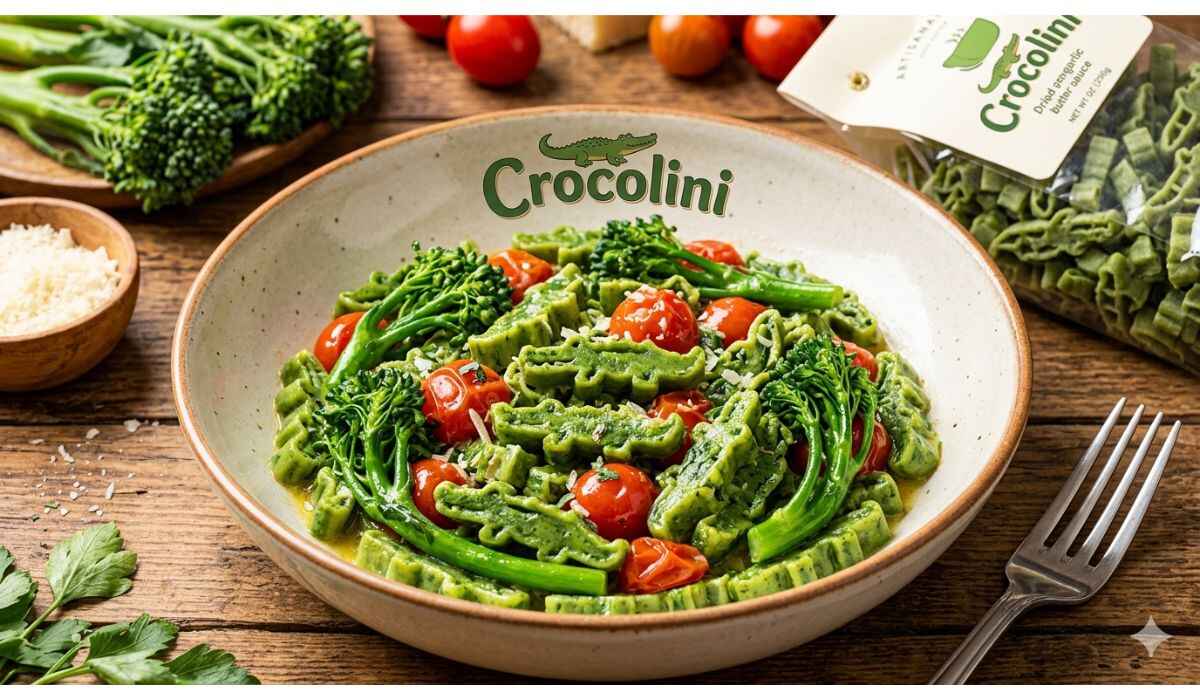
Crocolini is a hybrid green vegetable derived from a cross between broccoli and kale.
It features long, slender stems, small delicate florets, and soft edible leaves that make it one of the most versatile and visually appealing greens in modern cooking.
The name Crocolini comes from combining elements of its two parent plants, broccoli and kale, reflecting both its botanical origin and its fresh, modern identity in the food world.
In 2026, Crocolini has become one of the fastest-growing vegetables in health-conscious kitchens, restaurant menus, and grocery store shelves across the USA and globally.
What Exactly Is Crocolini?
Crocolini belongs to the Brassica family, the same botanical group as broccoli, kale, cabbage, Brussels sprouts, and broccolini.
Unlike traditional broccoli, which has thick, dense stalks and large tightly packed florets, Crocolini has thin, tender stems and small, loosely arranged florets on top.
The entire plant is edible from root to tip including the leaves, stems, and florets, which means there is almost no food waste when cooking with it.
Its flavor is mild, slightly sweet, and never bitter, which is one of the key reasons it has overtaken other greens in popularity among both experienced chefs and beginner home cooks.
Where Does Crocolini Come From?
Crocolini was developed by plant breeders responding to growing consumer demand for vegetables that are both nutritious and easy to prepare quickly.
Plant scientists identified that combining the sweetness and tenderness of broccolini-style stem vegetables with the nutritional density and antioxidant power of kale would produce a superior everyday cooking green.
It first gained commercial traction in European and Asian markets before arriving in the USA, where it quickly found a home in health food stores, organic markets, and upscale restaurant supply chains.
Its origins in selective breeding rather than genetic modification means it is naturally grown and widely accepted across organic certification frameworks.
How Is Crocolini Different from Broccoli?
Broccoli has thick, fibrous stems that often need peeling or trimming before cooking.
Crocolini stems are entirely tender and require no peeling at all.
Broccoli has a stronger, earthier flavor that some people find overpowering, especially when eaten raw.
Crocolini has a noticeably milder, slightly sweet flavor that makes it pleasant to eat both raw and cooked.
Broccoli takes longer to cook due to its dense stem structure.
Crocolini cooks significantly faster, making it ideal for quick weeknight meals.
Broccoli florets are large and compact.
Crocolini florets are small and loose, which allows them to cook evenly and absorb sauces more effectively.
How Is Crocolini Different from Broccolini?
Broccolini is a hybrid of broccoli and Chinese broccoli, also known as gai lan.
Crocolini is a hybrid of broccoli and kale.
The parent difference changes the flavor significantly. Broccolini can carry a slight bitterness from the Chinese broccoli influence. Crocolini is sweeter because kale contributes a different phytochemical profile.
Crocolini cooks faster than broccolini due to its thinner, more delicate stem structure.
Crocolini also contains higher antioxidant levels from the kale parent, giving it a nutritional edge in head-to-head comparisons.
Both look visually similar, but Crocolini is generally considered more appropriate for raw preparation in salads due to its softer texture and sweeter taste.
Crocolini vs Broccoli vs Broccolini Comparison Table
| Feature | Crocolini | Broccolini | Broccoli |
|---|---|---|---|
| Parent plants | Broccoli and Kale | Broccoli and Chinese Broccoli | Natural variety |
| Stem texture | Very tender | Tender | Firm and fibrous |
| Flavor | Mild and sweet | Slightly bitter | Earthy and strong |
| Cooking time | Fastest (3 to 5 minutes) | Medium (5 to 7 minutes) | Longest (8 to 12 minutes) |
| Raw eating suitability | Excellent | Moderate | Limited |
| Antioxidant level | Highest | Moderate | Moderate |
| Floret size | Small and loose | Medium | Large and dense |
| Stem peeling required | No | No | Often yes |
| Food waste | Minimal | Low | Moderate |
Nutritional Value of Crocolini
Crocolini is a nutritional powerhouse despite being very low in calories.
A standard 100-gram serving of Crocolini delivers an impressive range of vitamins, minerals, fiber, and phytonutrients that support multiple body systems simultaneously.
Key nutrients in Crocolini per 100 grams:
| Nutrient | Amount | Primary Benefit |
|---|---|---|
| Calories | 35 to 40 kcal | Weight management friendly |
| Protein | 2.5 to 3g | Muscle repair and growth |
| Dietary Fiber | 2 to 3g | Gut health and digestion |
| Vitamin C | 60 to 90mg | Immune system support |
| Vitamin K | 100 to 150mcg | Bone health and blood clotting |
| Vitamin A | 800 to 1000 IU | Eye health and skin health |
| Folate | 60 to 80mcg | Cell growth and DNA repair |
| Calcium | 45 to 60mg | Bone strength |
| Iron | 0.8 to 1.2mg | Oxygen transport in blood |
| Potassium | 250 to 320mg | Heart and muscle function |
| Sulforaphane | Present | Anti-inflammatory and cancer-protective |
| Lutein | Present | Eye protection from UV damage |
These numbers position Crocolini as one of the most nutritionally complete vegetables available for its calorie count.
Health Benefits of Crocolini
Supports a Strong Immune System
Crocolini is exceptionally high in Vitamin C, which is one of the body’s primary tools for immune defense.
Regular consumption helps the body fight off infections more effectively and reduces the duration of common illnesses.
Promotes Bone Strength
Crocolini contains Vitamin K, calcium, and phosphorus, three nutrients that work together to maintain bone mineral density.
This makes it particularly valuable for older adults concerned about osteoporosis and for children in active growth phases.
Protects Heart Health
The potassium and fiber content in Crocolini support healthy blood pressure levels and help reduce LDL cholesterol.
Antioxidants in the vegetable also protect blood vessel walls from oxidative damage, reducing long-term cardiovascular disease risk.
Aids Healthy Digestion
Crocolini provides dietary fiber that supports regular bowel movements and feeds beneficial gut bacteria.
A healthy gut microbiome supported by fiber-rich vegetables like Crocolini is associated with improved mood, stronger immunity, and better weight management.
Delivers Powerful Antioxidant Protection
Crocolini contains sulforaphane, lutein, and beta-carotene, three phytonutrients with well-documented antioxidant and anti-inflammatory properties.
Sulforaphane in particular has been studied extensively for its role in reducing cancer cell proliferation in laboratory research.
Supports Healthy Weight Management
At only 35 to 40 calories per 100 grams, Crocolini is one of the most satisfying low-calorie vegetables available.
Its fiber content creates a feeling of fullness that helps reduce overall calorie intake without requiring you to eat less food by volume.
Benefits Eye Health
Vitamin A and lutein work together in Crocolini to protect the retina and maintain sharp vision.
Regular consumption of lutein-rich vegetables is associated with a reduced risk of macular degeneration, the leading cause of vision loss in adults over 50.
Supports Skin Health
The Vitamin C in Crocolini plays a direct role in collagen production, which keeps skin firm, elastic, and youthful.
Combined with Vitamin A, which supports skin cell renewal, Crocolini is one of the most skin-friendly vegetables you can include in a daily diet.
Reduces Inflammation
Chronic inflammation is the root cause of most modern lifestyle diseases including diabetes, arthritis, and cardiovascular disease.
The sulforaphane and other glucosinolates in Crocolini actively suppress inflammatory pathways, making regular consumption a meaningful anti-inflammatory dietary strategy.
Supports Mental Wellbeing
Folate found in Crocolini is directly involved in the production of serotonin and dopamine, two neurotransmitters that regulate mood.
Research consistently links low folate levels to increased risk of depression and anxiety, making folate-rich vegetables an important part of a mentally supportive diet.
How to Cook Crocolini: Every Method Explained
How to Sauté Crocolini
Sautéing is the most popular way to cook Crocolini and produces excellent results in under five minutes.
Heat a tablespoon of olive oil in a wide pan over medium-high heat.
Add minced garlic and cook for 30 seconds until fragrant.
Add the Crocolini and toss continuously for three to four minutes.
Season with sea salt, black pepper, and a squeeze of fresh lemon juice before serving.
This method brings out Crocolini’s natural sweetness and creates slightly caramelised edges that add depth of flavor.
How to Roast Crocolini
Roasting transforms Crocolini into a crispy, deeply flavourful side dish that works beautifully with any main course.
Preheat your oven to 220 degrees Celsius or 425 degrees Fahrenheit.
Toss Crocolini with olive oil, salt, pepper, and any preferred seasonings.
Spread in a single layer on a baking sheet without overcrowding.
Roast for 12 to 15 minutes until the tips are slightly charred and the stems are tender.
Finish with grated parmesan, chilli flakes, or balsamic glaze for elevated presentation.
How to Steam Crocolini
Steaming is the best method for preserving maximum nutrient content.
Place Crocolini in a steaming basket over an inch of boiling water.
Cover and steam for three to five minutes until bright green and tender-crisp.
Season immediately after steaming so the heat helps the seasoning absorb.
How to Blanch Crocolini
Blanching sets the vivid green colour and partially cooks the vegetable, making it ideal for salads and pasta dishes.
Bring a large pot of salted water to a rolling boil.
Add Crocolini and cook for two minutes exactly.
Transfer immediately to a bowl of ice water to stop the cooking process.
Drain and pat dry before using in your recipe.
How to Stir-Fry Crocolini
Stir-frying delivers the fastest results and works perfectly in Asian-inspired dishes.
Heat a wok over maximum heat until smoking.
Add a small amount of neutral oil and cook garlic, ginger, and chilli for 20 seconds.
Add Crocolini and toss constantly for two to three minutes.
Deglaze with soy sauce, oyster sauce, or sesame oil and serve immediately over rice or noodles.
How to Grill Crocolini
Grilling adds a smoky, charred dimension that makes Crocolini spectacular as a standalone side dish.
Brush the stems lightly with olive oil.
Place directly on a hot grill and cook for two to three minutes per side.
Season with smoked salt, lemon zest, and fresh herbs immediately after grilling.
How to Eat Crocolini Raw
Crocolini can be eaten completely raw and is one of the few cruciferous vegetables with a tender enough texture to be genuinely enjoyable without cooking.
Slice into bite-sized pieces and toss with lemon vinaigrette in salads.
Use florets as a crudité with hummus, tzatziki, or yogurt-based dips.
Shave thin stems over grain bowls as a fresh textural element.
Easy Crocolini Recipes for Every Meal
Quick Garlic Crocolini (5 Minutes)
This recipe is the simplest and most universally loved way to serve Crocolini.
Heat olive oil in a pan and cook minced garlic for 30 seconds.
Add a bunch of Crocolini and toss for four minutes on high heat.
Season with sea salt, red pepper flakes, and fresh lemon juice.
Serve immediately alongside any protein or grain.
Crocolini and Pasta
Cook your preferred pasta until al dente and reserve a cup of pasta water.
In the same pot, sauté blanched Crocolini with garlic, olive oil, anchovy paste, and chilli flakes.
Add the pasta and a splash of pasta water to create a light, silky sauce.
Top with toasted breadcrumbs and grated parmesan before serving.
Roasted Crocolini Pizza Topping
Roast Crocolini until crispy at high heat before using as a pizza topping.
Spread your pizza base with white sauce or ricotta instead of tomato.
Layer with roasted Crocolini, thinly sliced garlic, mozzarella, and lemon zest.
Bake at maximum oven temperature for eight to ten minutes and finish with fresh basil.
Asian-Style Crocolini Stir-Fry
This recipe is ready in under ten minutes and pairs with rice or noodles perfectly.
Combine soy sauce, oyster sauce, sesame oil, and a teaspoon of cornstarch in a small bowl.
Stir-fry Crocolini in a hot wok with garlic and ginger for two minutes.
Pour the sauce over and toss for one minute until glossy.
Serve topped with sesame seeds and sliced spring onions.
Crocolini Smoothie
Crocolini can be blended into smoothies for a nutrient boost without significantly changing the flavor.
Add a handful of raw Crocolini to a blender with one banana, half a cup of frozen berries, a cup of almond milk, and a tablespoon of Greek yogurt.
Blend until smooth and drink immediately for maximum nutrient retention.
Crocolini Soup
Sauté onion, garlic, and celery in olive oil until softened.
Add chopped Crocolini and vegetable stock and simmer for fifteen minutes.
Blend partially for a thick, textured consistency.
Season with salt, white pepper, and a swirl of cream or coconut cream before serving.
Crocolini Salad with Lemon Vinaigrette
Blanch Crocolini and immediately shock in ice water.
Arrange over a bed of rocket or mixed greens.
Add cherry tomatoes, shaved parmesan, toasted pine nuts, and sliced radish.
Dress with lemon juice, Dijon mustard, olive oil, honey, and a pinch of salt.
How to Buy and Store Crocolini
How to Choose Fresh Crocolini
Look for stems that are firm and snap cleanly rather than bending limply when held.
The color should be uniformly deep green with no yellowing on the florets or browning on the cut ends.
Avoid any bunches with wilted leaves, slimy stems, or an ammonia-like smell, all of which indicate age and nutrient degradation.
Florets should be tightly formed and free from any visible yellowing, which signals the vegetable has begun converting sugars to starches.
How to Store Crocolini
Wrap unwashed Crocolini loosely in a slightly damp paper towel.
Place inside a perforated plastic bag or an open container in the crisper drawer of your refrigerator.
Fresh Crocolini stores well for three to five days under these conditions.
Do not wash before storing as moisture accelerates bacterial growth and shortens shelf life significantly.
How to Freeze Crocolini
Blanch Crocolini in boiling salted water for two minutes exactly.
Transfer to ice water immediately and drain thoroughly.
Spread in a single layer on a baking sheet and freeze until solid.
Transfer to labelled freezer bags and store for up to six months.
Frozen Crocolini works best in cooked applications as freezing softens the texture for raw use.
Crocolini in Different Global Cuisines
Mediterranean Cooking
In Mediterranean cuisine, Crocolini is typically prepared simply with olive oil, garlic, lemon, and sea salt.
It appears as a side dish alongside grilled fish, lamb chops, and meze platters.
The flavor profile of Mediterranean cooking suits Crocolini particularly well because the simplicity of the preparation allows the vegetable’s natural sweetness to dominate.
Asian Cooking
In Chinese, Japanese, and Thai cuisine, Crocolini replaces or supplements Chinese broccoli and broccolini in stir-fries and noodle dishes.
It absorbs soy-based sauces, miso glazes, and oyster sauce beautifully while maintaining a pleasant crunch.
Japanese-style Crocolini preparation often involves a sesame dressing and bonito flakes for umami depth.
Western and American Cooking
In American and European cooking, Crocolini appears most frequently as a restaurant side dish or bowl component.
It is roasted with balsamic glaze, served with grain bowls, added to frittatas, and featured in modern salads.
High-end restaurants use Crocolini specifically because its aesthetic quality produces visually striking plating that photographs exceptionally well for social media menus.
Middle Eastern Cooking
Middle Eastern preparations incorporate Crocolini into grain salads with freekeh or farro, spice it with za’atar and sumac, and serve it alongside tahini-based dips.
Its mild sweetness provides a pleasant counterbalance to the bold spicing traditions of Middle Eastern cuisine.
Why Is Crocolini So Popular in 2026?
Health and Wellness Trends
Consumer focus on whole foods, clean eating, and plant-based nutrition has accelerated dramatically since 2020.
Crocolini fits perfectly into this trend by offering genuinely exceptional nutritional density in a form that requires minimal preparation and suits every dietary pattern including vegan, vegetarian, paleo, and keto.
Social Media Visibility
Crocolini’s long slender stems, vibrant green color, and elegant plating appeal make it one of the most visually photogenic vegetables available.
Food creators on Instagram, TikTok, and YouTube consistently feature Crocolini in high-engagement content because it photographs beautifully and the recipes are achievable for viewers of any skill level.
Restaurant Adoption
Professional chefs have embraced Crocolini because it cooks quickly, holds its shape well under heat, and delivers premium visual quality on the plate.
Its slightly higher price point compared to standard broccoli also fits the premium positioning that modern restaurant menu engineering favors.
Convenience for Home Cooks
The complete edibility of Crocolini with no peeling, minimal trimming, and extremely fast cooking times makes it one of the most genuinely convenient vegetables in any category.
Busy professionals, parents, and meal preppers consistently choose it for weekly cooking because the preparation burden is almost zero.
Environmental and Sustainability Appeal
Crocolini generates virtually no kitchen waste because the entire plant is edible.
Its efficient growth cycle requires less water and land per unit of nutritional output than many traditional vegetables.
These sustainability credentials align with the values of a growing segment of American consumers who make purchasing decisions based on environmental impact as well as personal nutrition.
Crocolini for Specific Diets
Crocolini for Vegan Diets
Crocolini is fully plant-based and delivers meaningful protein, iron, calcium, and vitamin B12 precursors that vegans often need to monitor carefully.
It works as the primary vegetable component in vegan bowls, stir-fries, soups, and pasta dishes.
Crocolini for Keto and Low-Carb Diets
With under 5 grams of net carbohydrates per 100 grams, Crocolini is entirely compatible with ketogenic and low-carb eating patterns.
It provides fiber and micronutrients that are often reduced on strict carbohydrate restriction plans without disrupting ketosis.
Crocolini for Paleo Diets
Crocolini is a whole, unprocessed food that fits naturally into paleo eating frameworks.
It is free from grains, legumes, dairy, and artificial additives, making it an ideal paleo vegetable across all meal types.
Crocolini for Gluten-Free Diets
Crocolini contains no gluten in any form and is safe for individuals with celiac disease or non-celiac gluten sensitivity.
It adds both nutrition and visual appeal to gluten-free pasta dishes, bowls, and grain-free cooking.
Crocolini for Weight Loss Diets
At 35 to 40 calories per 100 grams with high fiber and water content, Crocolini is among the most effective vegetables for satiety-based weight management.
It fills the stomach volume efficiently without contributing significant caloric load.
Common Mistakes When Cooking Crocolini
Overcooking Crocolini should remain bright green and tender-crisp after cooking. Overcooking produces a dull, olive-green color and mushy texture that destroys both the visual appeal and the nutritional value.
Not using enough heat when sautéing Medium-low heat steams rather than sears Crocolini. Use high heat and keep the vegetables moving for the best caramelization and flavor development.
Skipping the lemon Acid brightens Crocolini’s flavor dramatically. A squeeze of fresh lemon or a splash of good vinegar at the end of cooking makes a measurable difference to the finished dish.
Washing before storing Moisture on stored Crocolini accelerates spoilage significantly. Always wash immediately before cooking, never before refrigerating.
Discarding the leaves Many people remove the leaves before cooking out of habit. Crocolini leaves are entirely edible, nutritious, and add pleasant texture to finished dishes. Keep them and cook them with the rest.
Crocolini Growing Trends and Agricultural Significance
Crocolini farming is expanding across the USA, particularly in California, Oregon, and Washington state, where cool coastal climates support optimal growing conditions.
The crop produces higher yields per acre than standard broccoli due to its faster maturation cycle and more efficient use of the entire plant.
Agricultural economists have identified Crocolini as one of the most commercially promising specialty crops for organic farmers looking for premium market positioning.
Retail prices for Crocolini typically run 20 to 40 percent higher than conventional broccoli, reflecting its positioning as a premium specialty vegetable.
Farm-to-table restaurants have been instrumental in driving consumer awareness and acceptance of Crocolini as a regular menu item rather than a seasonal novelty.
Final Thoughts and Experience
Crocolini is genuinely one of the most impressive vegetable additions to emerge in the American food market in recent years.
It delivers exceptional nutrition, remarkable versatility, minimal preparation burden, and outstanding visual quality in a single plant that anyone can cook confidently from the very first attempt.
The combination of health benefits, convenience, and culinary flexibility makes it far more than a trend. It is becoming a kitchen staple for people who want to eat well without spending excessive time or effort in the kitchen.
If you have not tried Crocolini yet, the simplest starting point is a quick sauté with garlic and olive oil. Five minutes, minimal ingredients, and you will immediately understand why this vegetable has earned its growing reputation.
Add it to your grocery list this week. Your body and your taste buds will both appreciate the decision.
Frequently Asked Questions
What is Crocolini?
Crocolini is a hybrid green vegetable produced by crossing broccoli with kale. It has long, slender, fully edible stems, small delicate florets, and soft leaves. It is milder, sweeter, and more tender than broccoli, making it ideal for quick cooking and raw preparation alike.
Is Crocolini the same as Broccolini?
No. Broccolini is a cross between broccoli and Chinese broccoli. Crocolini is a cross between broccoli and kale. Crocolini is sweeter, thinner, and cooks faster than broccolini. It also contains higher antioxidant levels from the kale parent.
What does Crocolini taste like?
Crocolini has a mild, slightly sweet flavor with no significant bitterness. It is considerably more delicate in flavor than traditional broccoli and works well in both raw and cooked applications.
How do you cook Crocolini?
Crocolini can be sautéed, roasted, steamed, blanched, stir-fried, grilled, or eaten raw. The most popular method is a quick sauté with olive oil and garlic for three to five minutes. Roasting at high heat produces crispy, caramelized tips that are exceptionally flavorful.
Is Crocolini healthy?
Yes. Crocolini is one of the most nutrient-dense low-calorie vegetables available. It contains Vitamin C, Vitamin K, Vitamin A, folate, potassium, calcium, iron, dietary fiber, sulforaphane, and lutein. These nutrients support immunity, bone health, heart function, digestion, eye health, and anti-inflammatory activity.
Where can I buy Crocolini?
Crocolini is available at most major grocery chains, health food stores, farmers markets, and organic food retailers across the USA. It is typically found in the fresh produce section alongside broccoli and broccolini.
How do I store Crocolini?
Wrap unwashed Crocolini in a damp paper towel and place in a perforated bag in the refrigerator crisper drawer. It stays fresh for three to five days. Do not wash before storing. Freeze blanched Crocolini for up to six months.
Can I eat Crocolini raw?
Yes. Crocolini is one of the few cruciferous vegetables tender enough to be genuinely enjoyable raw. Slice thinly for salads, use florets as crudités with dips, or shave stems over grain bowls for fresh texture and flavor.
Read Also: Toastul: The Viral Toast Trend Taking Over Breakfast in 2026